
Published Mar 26, 2026
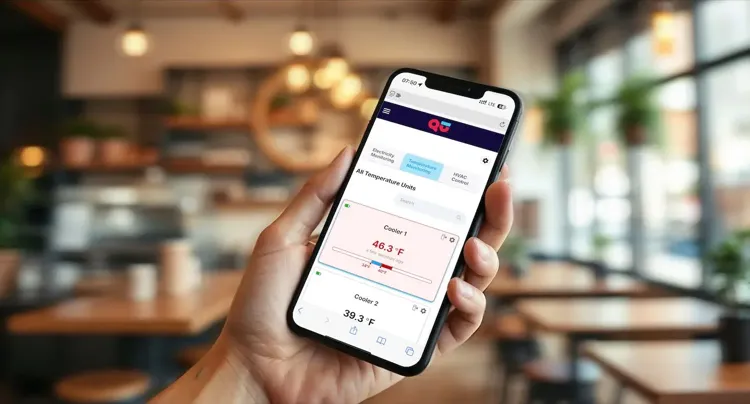
More than 80 percent of restaurant brands in fast-casual and quick-service restaurant categories are planning to improve technological capabilities in 2026.
That’s according to the annual report from Qu, a restaurant technology developer with participation from 168 brands representing 91,000 locations. In 2026, 48 percent of operators surveyed plan to increase their investments in 2026 while 34 percent intend to keep digital funding consistent with 2025.
Just 10 percent of the respondents stated they would spend less on technology this year. Speedier service brands were more likely to be in favor of boosting investments, with 54 percent of QSR brands planning for more funding, compared to 44 percent of fast-casuals.
Regardless of the dollars dedicated, 57 percent of brands see investing in the digital guest experience as the top priority, followed by marketing and loyalty capabilities at 50 percent and point of sales modernization at 41 percent. Operational optimization was listed as the fourth highest priority, meanwhile, followed by back of house technology at 20 percent.
Related: Shrink Complexity and Prove Profit. Watch These 6 Tech Trends in 2026.
Artificial intelligence is another area of heavy investment for most brands, with nearly three in four concepts planning to fund AI development. Of those surveyed, 73 percent are investing in AI technology, with 51 percent already investing and another 22 percent planning to incorporate it this year.
The majority of the spending in AI is going toward marketing and customer relationship management, while predictive analytics and voice ordering had more than 40 percent of brands investing in that area. For inventory needs, 30 percent of brands said they were putting resources toward AI technology there, while kitchen automation and AI ordering was slightly above 20 percent.
While AI implementation is popular, tangible impacts have been modest so far. The majority of restaurants, 43 percent, reported a limited value of AI implementation, while 33 percent reported an emerging value and 9 percent reported a meaningful or transformational impact.
Related: Voice AI, Kiosks and More Tech Talk With QSR Leaders
The increase in technological capabilities is becoming more of a necessity with an ongoing rise in digital sales. In 2025, 57 percent of brands generated more than 25 percent of total sales through digital channels, an increase from 49 percent in 2024. The majority of brands reporting higher digital sales are fast-casuals, with 60 percent reporting more 26 percent or more through those channels, compared to 32 percent of QSR concepts.
The majority of QSR brands reported between 11 and 25 percent of their sales coming from digital channels, while 28 percent of fast-casual concepts were at the same level.
The top-performing order channel for all brands, 60 percent, remains in-store point of sales systems, followed by third-party ordering, first-party online ordering and drive-thru ordering. While they’re becoming larger platforms for their sales, third-party and first-party digital ordering are the source of headaches for brands, with both listed as the most likely to cause system instability.
Those were just a number of issues brand representatives shared in the survey, with 56 percent of fast-casual concepts noting a negative impact from inflation and labor costs. At least 44 percent of QSR brands, meanwhile, cited a heightened pressure around value perception and discounting.
“When restaurants face declining guest traffic, growth can’t come from pricing alone,” stated Qu CEO Amir Hudda in the report. “The guest experience must be improved across channels, from ordering to kitchen to fulfillment. To effectively address these challenges with technology, restaurants need intelligent systems built on unified data.”
In terms of what data was most important, nearly 70 percent of concepts listed guest feedback as No. 1. More than 50 percent stated operational data, guest behavior data and menu data were good for business decisions.
To ensure the data in those categories is positive, 62 percent of respondents said their operational goal is to improve the flow of orders across all channels in their restaurants, followed by workflow and team training at 52 percent. Nearly half the brands, 48 percent, are also looking to improve order accuracy and pickup times.